
Ohio organizations try to reduce elder abuse stigma by spreading awareness
By Anthony Morris
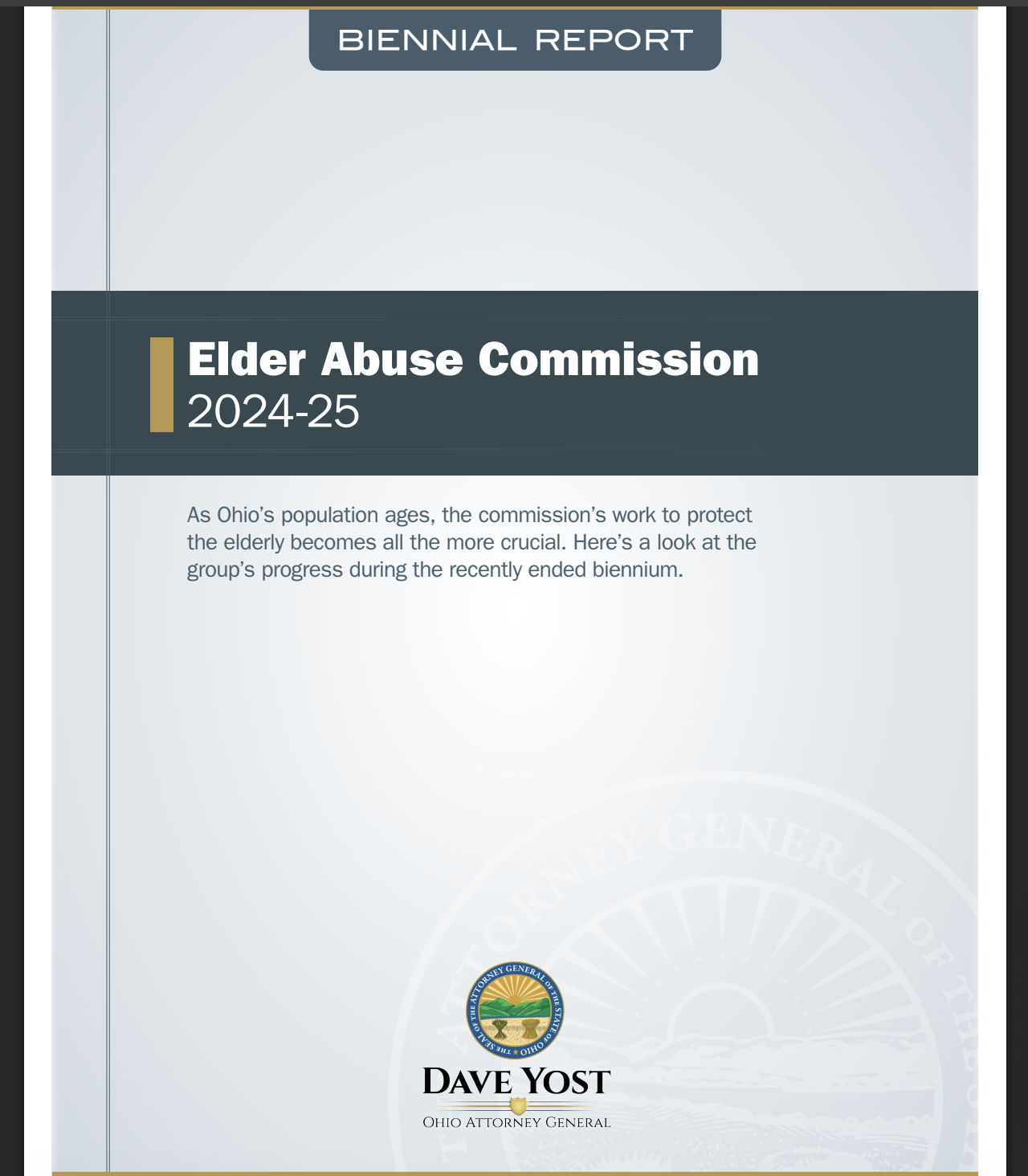
One in 10 Ohioans over 60 have experienced abuse, but only one in five cases are reported, according to the 2024-2025 Elder Abuse Commission Biennial Report.
Cathi Rufener, deputy director of the Adult Protective Services Division at Summit County, said many of these crimes are financial exploitation. In her county, Rufener said she has seen a rising number of romance scams.
“People thinking that they’re in relationships with famous people–people are sending them pictures,” she said. “I think it’s just easy, online and on the phone, to contact people and get them hooked into where they think that they’re in some sort of relationship because they’re lonely. They just prey on them.”
To combat all types of elder abuse – which were up 400% in the seven years preceding the Elder Abuse Commission report – former Ohio Attorney General Dave Yost in October 2025 began a statewide initiative to educate Ohioans about it. This effort has been bolstered through partnerships with organizations like the Ohio Pharmacists Association and the Ohio Bankers League, focused on training their workers to identify abuse and direct victims to resources.
“The first important piece of this is awareness and education,” said Michael Sheline, section chief of Crime Victims Services at the Attorney General’s Office. “Give kind of the red flags to folks, whether it’s seniors or their families, to how they could be vulnerable to different kinds of abuse.”
The Elder Abuse Commission report defines elder abuse as “any intentional or negligent act by a caregiver or other individual who harms an older adult or puts them at serious risk.” The harm can be “physical, sexual, emotional or psychological, or it may take the form of neglect or financial exploitation.”
Yost stepped down from his position as Attorney General on June 7, and Andy Wilson was appointed in June.
While there is a unified vision between the two attorneys general, Sheline said Wilson has been focusing on romance scams, which take up a significant portion of these crimes.
Sheline said reducing the stigma surrounding these crimes is essential towards helping victims of abuse, as well as learning how to identify the red flags that may indicate some form of abuse.
“It’s underreported,” Sheline said. “So the more education you give, the more preventative measures can help big time.”
Sheline continued, “It’s about stigma busting because a lot of times these folks are really kind of embarrassed when these things happen to them.” He adds that many elders don’t want to lose their agency if they report an act of abuse, and people assume they’re incapable of making good decisions.
Sheline said the job of his office is to provide education and give victims a space for helpful resources, and address the harm done in a way that’s compassionate and without judgment.
“So it’s kind of: education, prevention, but also if it does happen– how can we help you?”
This story was written by Anthony Morris for Kent State NewsLab, which shares stories by Kent State University School of Media and Journalism students with professional media partners. This story was produced in association with Media in the Public Interest and funded in part by the George Gund Foundation.